
Why Defence Projects Succeed When Supportability Comes First
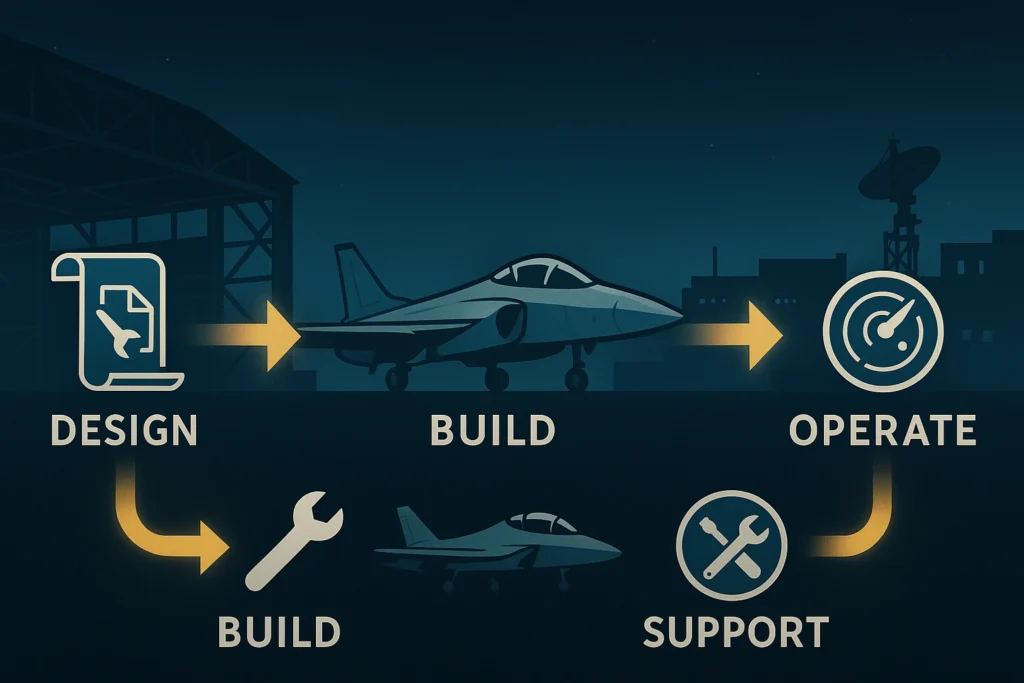
In defence projects, success is often measured by delivery dates, cost and performance. But behind every aircraft, ship or vehicle that works as planned is something less visible, supportability. When Integrated Logistic Support (ILS) is built into a project from day one, everything else follows more smoothly.
Supportability Engineering is about understanding how a system will be maintained, supplied, and operated before it ever reaches the field. When that thinking comes early, it saves time and prevents many of the problems that can delay or damage a project later on, it also reduces costs significantly.
Building Success From the Start
Most failures in defence projects don’t come from bad design, they come from late design. When ILS is added after the fact, teams end up working backwards, trying to make the system maintainable rather than designing it that way from the start.
Quorum’s approach is simple: involve Supportability Engineers early, not as reviewers, but as partners. When we work alongside design and programme teams, we help shape decisions that will affect performance years down the line. Questions like “Can this be maintained easily?” or “Is spare part access realistic?” seem small, but they often decide whether a system stays operational or sits idle.
Preventing Problems Before They Happen
It’s cheaper to fix a design issue on paper than to fix it in the field. Early ILS involvement allows teams to model real-world maintenance, check parts availability, and understand the life-cycle cost before production begins.
That foresight turns into measurable benefits:
- Shorter downtime once systems are deployed
- Lower through-life costs due to efficient maintenance planning
- Better availability of spares and tools
- Safer working conditions for maintainers
- Fewer redesigns during trials or deployment
When ILS isn’t part of early design, problems multiply fast. Teams spend time fixing avoidable issues, costs rise and equipment readiness drops. Every late adjustment takes effort away from delivery. Putting supportability first prevents that chain reaction before it starts
What Happens When There is No or Improper ILS
When supportability comes too late, the cost isn’t just financial, it is operational. History offers clear reminders:
F-35 Lightning II (International): Early versions faced high downtime and maintenance backlogs because support data, tools and spares were not ready when aircraft were delivered. Only when ILS was re-prioritised, linking digital maintenance data to real logistics support, did fleet availability begin to improve.
Type 45 Destroyer (UK): The class suffered propulsion failures that required costly refits. Initial design choices didn’t fully consider operational support conditions, making in-service fixes complex and expensive. Later ILS reviews were used to inform upgrades and avoid repeat issues.
These are just a few examples, but you see it all the time. We recently did an article about Ship Disposal Planning, and in it, we discussed the dangers of improper planning.
Why Timing Matters
Supportability is a mindset. The earlier it is built into planning, the less friction the project faces later. When teams see ILS as part of design, not an afterthought, the culture shifts from fixing to preventing.
At Quorum, we have seen that shift firsthand. When Supportability Engineers sit at the table from day one, discussions become practical and open. Problems are solved early. Budgets are used wisely. And systems enter service ready to perform.
A Collaborative Future
Defence projects are only getting more complex, with tighter timelines and higher expectations. So, supportability specialists, engineers, and project teams need to work as one.
When supportability comes first, everything else, safety, cost and performance starts to fall into place. That is why, at Quorum, we don’t just support systems; we help build the foundations that make them work.
Why Choose Quorum for Your Product Support
At Quorum, we bring over 20 years of defence and our consultants pair field experience with data to shape plans that meet your system goals.
We build tailored spares and tools lists for each system and guide hands‑on training for your maintenance teams. This ensures your staff know every task and have the right gear.
We run risk checks often and update plans as needed. We share clear reports that keep budgets on track and avoid surprises. Our team works side by side with yours to launch, sustain, and retire systems on time and on budget.
Book an informal chat with Shaun for a free consultation and discover how ILS can propel your operational efficiency and cost-effectiveness to new heights.
Your support engineering insights…


