
Level of Repair Analysis – LORA: 7 Powerful Steps for Confident Support Decisions
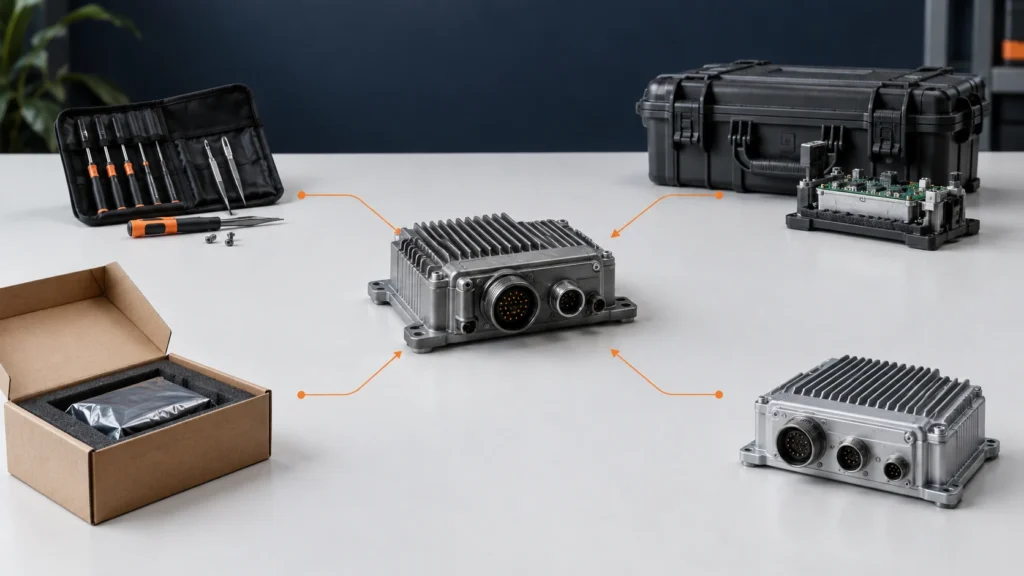
Choosing where and how equipment should be repaired is rarely as simple as comparing workshop prices. Level of Repair Analysis (LORA) gives Engineering and Project teams a clear way to decide whether an item should be repaired locally, sent to a specialist facility, returned to the Original Equipment Manufacturer or replaced.
When used early, LORA can prevent wasteful spending, protect Operational Availability and control Through-Life Costs.
Level of Repair Analysis (LORA)
LORA is a structured form of Supportability Analysis used to set the most suitable Repair or Discard Policy for equipment. It considers cost, technical limits, Operational Requirements and Support Constraints.
The output should state what will be repaired or replaced, where the work will take place and which Support Resources will be required.
SAE AS1390A sets out general requirements for conducting LORA throughout the life cycle of a product or item of equipment. MIL-HDBK-1390 also provides guidance on applying LORA during System Acquisition, major upgrades and Product Support planning.
However, LORA does not simply identify the cheapest Repair Option. It selects the option that provides the best balance of cost, availability, risk and operational value.
The Business Question LORA Answers
At its heart, LORA asks one practical question:
Which Repair or Replacement Option will meet the required Operational Need at an acceptable cost and level of risk?
The lowest repair quote is not always the best answer.
Local Repair may reduce downtime. However, it may require expensive Test Equipment, trained technicians, controlled Facilities and a dependable supply of replacement parts.
Depot Repair may reduce local investment, but it can increase Transport Costs and Repair Turnaround Times. The organisation may also need more spare units while failed items move through the Repair Pipeline.
Replacement may suit sealed, low-value or rarely failing items. In contrast, high-value equipment with steady Failure Demand may justify an internal Repair Capability.
A sound analysis therefore compares the complete Support System rather than one repair task in isolation.
Where LORA Fits Within Integrated Logistic Support
LORA forms part of the wider Integrated Logistic Support and Logistic Support Analysis process. Its findings can affect:
- Supply Support and Spare Parts Planning
- Support Equipment and specialist tooling
- Facilities and workshop needs
- Training and Manpower
- Technical Information and Repair Instructions
- Packaging, Handling, Storage and Transportation
- Maintenance Contracts and Supplier Support
The ASD/AIA S3000L specification treats Logistic Support Analysis as a life-cycle process used to define Support Resources, manage cost and improve availability.
For example, choosing Depot Repair may reduce local skill and tooling needs. Yet it may increase the number of spare items required because repairs take longer.
Choosing Local Repair may shorten downtime. However, this option only works when trained staff, approved Technical Information, Diagnostic Equipment and replacement parts can be supported throughout the asset’s life.
Through its Integrated Logistic Support and Supportability Analysis services, Quorum Logistic Support Limited helps organisations turn Repair Decisions into practical Support Plans.
Economic and Non-Economic LORA
A reliable study should first determine whether each Repair Option is practical. It should then compare the costs of the options that remain.
Non-Economic Analysis
Non-Economic Analysis checks whether an option can meet the programme’s technical, legal and Operational Requirements.
- Safety and Security Requirements
- Access to Design Data and Repair Instructions
- Intellectual Property or Supplier Restrictions
- Available skills, Facilities and Support Equipment
- Testability and Fault Diagnosis
- Required Operational Response Times
- Transport and Site Access
- Export Control Requirements
A low-cost option may still be unsuitable.
For example, Local Repair cannot be selected when approved Repair Data, specialist tools or trained personnel are unavailable. Depot Repair may also be ruled out when an asset must return to service within hours.
Economic Analysis
Economic Analysis compares the full cost of each viable option over an agreed period.
The Cost Model may include:
- Engineering and Technician Labour
- Spare Parts and Consumables
- Support Equipment
- Training and Competence Management
- Workshop and Facility Costs
- Packaging and Transportation
- Inventory Holding Costs
- OEM or Contractor Charges
- Disposal and Replacement Costs
Failure Demand and Repair Turnaround Time must also be included. Where data are uncertain, the project team should record its assumptions and test how changes affect the result.
The Main Levels of Repair
| Repair Option | Typical Use | Main Consideration |
|---|---|---|
| Organisational or On-Site Repair | Work completed where the equipment operates | Fast return to service but greater local Support Resource needs |
| Intermediate Repair | Work completed at a shared workshop or regional facility | Shared skills and tools but added transport and delay |
| Depot or OEM Repair | Complex work requiring specialist staff, Technical Information or equipment | High technical capability but often a longer Repair Turnaround Time |
| Discard and Replace | Low-value, sealed or Non-Repairable Items | Simple Support Process but higher Replacement Demand. |
Not every organisation uses the same Repair Structure. Some programmes use two Repair Levels, while others rely on several workshops, regional hubs or Supplier Facilities.
The analysis must reflect the real Support Network rather than force every asset into a fixed model.
What Data Does a LORA Need?
Perfect data are rarely available during early design or procurement. The aim is to use the best evidence available, record uncertainty and test the assumptions that may change the outcome.
Technical inputs may include:
- Expected Failure Rates
- Mean Time Between Failures
- Mean Time to Repair
- Repair Task Duration
- Fault-Isolation Capability
- Repair Success Rate
- Item Replacement Time
- Expected Equipment Usage
- Planned Service Life
Commercial and Support Data may include:
- Technician and Engineering Labour
- Spare Parts and Consumables
- Test Equipment and specialist tools
- Training and Competence Costs
- Facility Costs
- Packaging and Transport
- OEM or Contractor Repair Charges
- Inventory Holding Costs
- Disposal and Replacement Costs
Operational Availability, permitted downtime, Supplier Access and Security Restrictions can also change the preferred Repair Option.
A Seven-Step LORA Method
1. Define the Decision
Set the equipment, locations, study period, Availability Target, Cost Period, Decision Criteria and Approval Authority.
Without a clear scope, different stakeholders may assess different Support Options or use conflicting assumptions.
2. Build the Candidate-Item List
Identify which assemblies, Line Replaceable Units and Shop Replaceable Units require assessment.
High-value, Safety-Critical or frequently failing items should receive close attention. Low-value items may be screened quickly where replacement is clearly more practical than repair.
3. Identify Feasible Options
List each realistic Repair Option. These may include:
- Repair at the Operating Site
- Repair at a Shared Workshop
- Repair at a Central Depot
- Return to the OEM or Specialist Supplier
- Discard and Replace
The options must reflect the real Support Network.
4. Apply Non-Economic Constraints
Remove options that cannot meet Safety, Security, Technical or Operational Requirements before detailed cost modelling begins.
For example, Depot Repair may be unacceptable when equipment must return to service within a few hours. Local Repair may be ruled out when protected Technical Information or specialist Test Systems cannot be made available.
5. Compare Through-Life Costs
Calculate both one-off investment and recurring costs.
A local workshop may require high initial spending but reduce future Transport and Supplier Charges. OEM Repair may avoid capital investment but create higher long-term Service, Inventory and Repair Pipeline costs.
6. Test the Assumptions
Sensitivity Analysis shows whether the result remains sound when key inputs change.
The study should test changes in:
- Failure Demand
- Labour Rates
- Supplier Prices
- Transport Costs
- Repair Turnaround Time
- Equipment Life
- Availability Targets
A recommendation that changes after a small adjustment should be treated with caution.
7. Approve and Record the Policy
The final recommendation should state the selected Repair Level, expected cost, Support Requirements, key assumptions and Review Triggers.
It should also record the supporting evidence, the approval date and the person or group responsible for the decision.
LORA Example
Consider an Electronic Control Unit used across a fleet of 80 assets. The unit costs £7,500 to replace and is expected to fail 12 times each year.
| Option | Initial Investment | Cost Per Event | Average Turnaround |
|---|---|---|---|
| Local Repair | £90,000 | £1,250 | 3 days |
| Depot Repair | £25,000 | £2,400 | 14 days |
| Discard and Replace | £0 | £7,500 | 2 days |
Over five years, the expected direct cost would be:
- Local Repair: £165,000
- Depot Repair: £169,000
- Discard and Replace: £450,000
Local Repair appears to provide the lowest cost. However, the organisation must confirm that trained staff, Test Equipment, Technical Information and replacement parts can be supported throughout the five-year period.
Depot Repair costs slightly more, but it requires less investment at the start. It may therefore suit a programme with limited capital or uncertain Failure Demand.
However, the 14-day Repair Turnaround Time may require more spare units to protect Operational Availability. Once the cost of those additional spares is included, Local Repair may provide the stronger overall result.
This example shows why LORA should compare the complete Support System. The lowest repair charge does not always produce the lowest Through-Life Cost or the best operational outcome.
Common LORA Mistakes
A weak analysis can create false confidence. Common errors include:
- Comparing Repair Prices without modelling full Through-Life Costs
- Using Failure Data without checking its source or confidence
- Ignoring spare stock needed during long Repair Cycles
- Treating software output as an automatic decision
- Excluding Safety, Security or Supplier Restrictions
- Failing to test changes in cost, demand and turnaround time
- Recording the result without its assumptions
- Leaving the analysis unchanged after the Support System changes
Software can support Cost Modelling and Scenario Analysis. However, it cannot replace accurate data, Engineering Judgement or stakeholder approval.
When LORA Should Be Updated
LORA should be reviewed when the assumptions supporting the original decision no longer reflect real conditions.
Typical Review Triggers include:
- Major Design or Configuration Changes
- New Operating Environments
- Supplier Withdrawal
- Obsolescence
- Changes in Labour or Transport Costs
- Different Failure Rates
- Longer Repair Turnaround Times
- New Safety or Security Requirements
- Changes to the Planned Service Life
For UK Defence programmes, the Support Advantage Charter calls for Supportability and Maintainability to influence design from the outset. It also directs complex acquisition programmes towards Defence Standard 00-600 and the ASD S-Series specifications.
Regular review helps prevent organisations from continuing with a Repair Policy that is no longer affordable or effective.
Using LORA Across Different Sectors

Although LORA has strong roots in Defence Support, the method can be used wherever complex equipment must remain available at a controlled cost.
Transport operators can use it to shape Fleet Workshops, Regional Depots and Supplier Repair Contracts.
Energy operators can assess Remote-Site Repair, specialist access needs and the cost of downtime.
Heavy Infrastructure programmes can apply it to long-life assets where Spare Parts, trained staff and Repair Facilities must remain available for many years.
The method remains the same: identify feasible options, compare their full costs and select the Repair Policy that best supports Operational Requirements.
How Quorum Supports LORA Decisions
Quorum Logistic Support Limited combines military-grade Integrated Logistic Support knowledge with practical commercial decision-making.
Its specialists can support:
- LORA Planning and Delivery
- Supportability Analysis
- Maintenance Policy Development
- Reliability and Maintainability Studies
- Supply Support Planning
- Technical Information Requirements
- ILS Project Management
- Specialist ILS Training
Quorum has provided Support Engineering services since 2000. The company is ISO 9001:2015 accredited and uses SC and DV Security-Cleared Specialists where programme needs require them.
Support can be delivered virtually or on-site in the United Kingdom and worldwide. This allows Quorum to work alongside Engineering Teams, Suppliers and Project Leaders throughout Design, Procurement and In-Service Support.
Frequently Asked Questions
What Is the Main Purpose of LORA?
Its main purpose is to decide whether an item should be repaired, replaced or discarded and where any repair should take place.
What Data Are Needed for a LORA?
Typical inputs include Failure Rates, Repair Times, Labour Costs, Spare Prices, Transport Costs, Support Equipment needs, Availability Targets and Operational Constraints.
What Is the Difference Between Economic and Non-Economic LORA?
Non-Economic Analysis checks whether a Repair Option is practical. Economic Analysis compares the full cost of the options that remain.
How Is LORA Different from Reliability-Centred Maintenance?
Reliability-Centred Maintenance identifies suitable Maintenance Tasks. LORA decides where those tasks should take place and whether repair is worth carrying out.
Can LORA Be Used Outside Defence?
Yes. It is useful in Transport, Energy, Manufacturing and Heavy Infrastructure where Repair Decisions affect cost and Asset Availability.
Does LORA Software Make the Final Decision?
No. Software can compare costs and scenarios, but Engineers and Project Stakeholders must review the assumptions and approve the final Repair Policy.
How Often Should a LORA Be Reviewed?
It should be reviewed whenever changes to Design, cost, Failure Demand, Suppliers or Operational Requirements could alter the selected Repair Policy.
Book an informal chat with Shaun for a free consultation and discover how ILS can propel your operational efficiency and cost-effectiveness to new heights.


