
The Budget Risks Hidden in “We’ll Fix It Later” Engineering
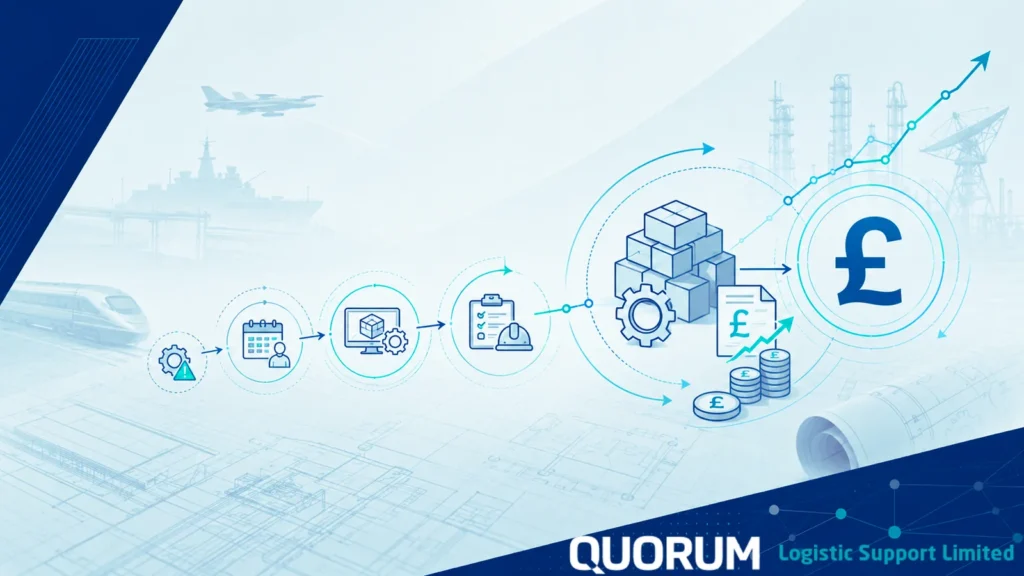
In many engineering programmes there is a quiet phrase that causes more trouble than most technical faults: “We’ll fix it later.”
It usually appears during design reviews or tight schedule meetings. A small issue gets parked for the next phase. The thinking is simple. Deliver now, deal with the details later. The trouble is that “later” has a habit of becoming very expensive.
In Defence programmes and other complex engineering projects, small support decisions made early can drive large costs years down the line. What looks like a minor shortcut during development can become a major Through-Life cost once equipment enters service.
And by then, fixing it is far harder and a lot more expensive.
Small Design Choices Become Large Support Costs
Engineering teams often focus on performance during design. Range, speed, payload, power output. All the things that make a system work. Support tends to arrive later in the conversation.
But decisions made in the early design stages account for most of a system’s Whole-Life cost.
A hard-to-access component may add hours to every maintenance task. A unique part may require its own Supply Support chain. A design that needs specialist tools will increase Support and Test Equipment costs.
None of these look dramatic during design. Once the system enters service, they show up in budgets.
Quite a few programmes have learned this the hard way. Some rather painfully. In the same way that buying cheap boots before a long march seems like a good idea until mile ten.
The Hidden Impact on Support Planning
When engineering decisions are deferred, Support Planning becomes reactive instead of proactive.
Instead of building a clear support strategy during design, teams end up solving problems after equipment is already deployed.
This creates pressure across several areas of Integrated Logistic Support:
- Maintenance planning
- Supply Support and Spares Forecasting
- Technical Documentation updates
- Training Development
- Support and Test Equipment procurement
- Obsolescence Management
Each delayed decision creates new work for the support teams. It also reduces the time available to plan properly. Instead of designing support around the system, teams end up adapting to design constraints that could have been avoided.
Engineers then spend valuable time solving preventable problems. The sort that make people quietly stare at the ceiling during project meetings.
Why “Fix It Later” Rarely Saves Money
The idea behind postponing engineering decisions is normally simple: keep the project moving. But deferring support considerations often creates compound costs.
A design change during development might cost thousands. The same change after production may cost millions once redesign, certification, documentation updates and training changes are added.
There are also operational impacts:
- Increased maintenance time
- Higher spare parts consumption
- Lower equipment availability
- Greater training requirements
- Unexpected infrastructure needs
These effects accumulate over the system’s life.
By the time the equipment reaches mid-life support, the original design shortcut may have added years of cost and complexity.
In other words, the engineering version of “we’ll sort it out later” tends to behave a bit like weather forecasts here in the UK; It sounds manageable at first, then suddenly everything is rather damp and unpleasant.
Building Support Thinking into Engineering Decisions
The best engineering teams do not treat support as an afterthought.
They bring Support Planning into the design process from the start. When support is part of early engineering discussions, teams can see the long-term impact of design choices before those choices become costly to change.
This approach allows engineers to assess how design decisions will affect maintenance, logistics and operations throughout the system’s life. It also improves communication between engineering teams, logistics specialists and the people who will actually operate the equipment.
Through Integrated Logistic Support, programmes can identify support challenges early. These may include maintainability issues, spare part demand, limited access to components, training needs or long-term Obsolescence risks.
Addressing these points during design allows teams to avoid expensive surprises once equipment enters service. It also supports higher system availability, which is usually the entire purpose of the programme.
After all, a system that performs perfectly on paper but is difficult to maintain is about as useful as a kettle without a plug.
Why Choose Quorum for Integrated Logistic Support
At Quorum Integrated Logistic Support, we work with clients to ensure support considerations are built into programmes from the start.
Our consultants bring practical experience across Defence and other complex engineering sectors. We help organisations integrate Support Planning with engineering decisions so that systems remain reliable, maintainable and affordable throughout their life.
Our work covers areas such as:
- Support Planning
- Supply Support
- Technical Documentation
- Reliability and Maintainability analysis
- Obsolescence management
- Training development
By addressing support challenges early, we help programmes avoid the costly consequences of “fix it later” engineering decisions.
Because when it comes to long-life systems, solving support problems during design is almost always cheaper than solving them in service.
And it makes project meetings considerably less awkward.
If you are looking to strengthen your team’s capability, align training with delivery goals, or simply create a more confident, cohesive workforce we can help.


